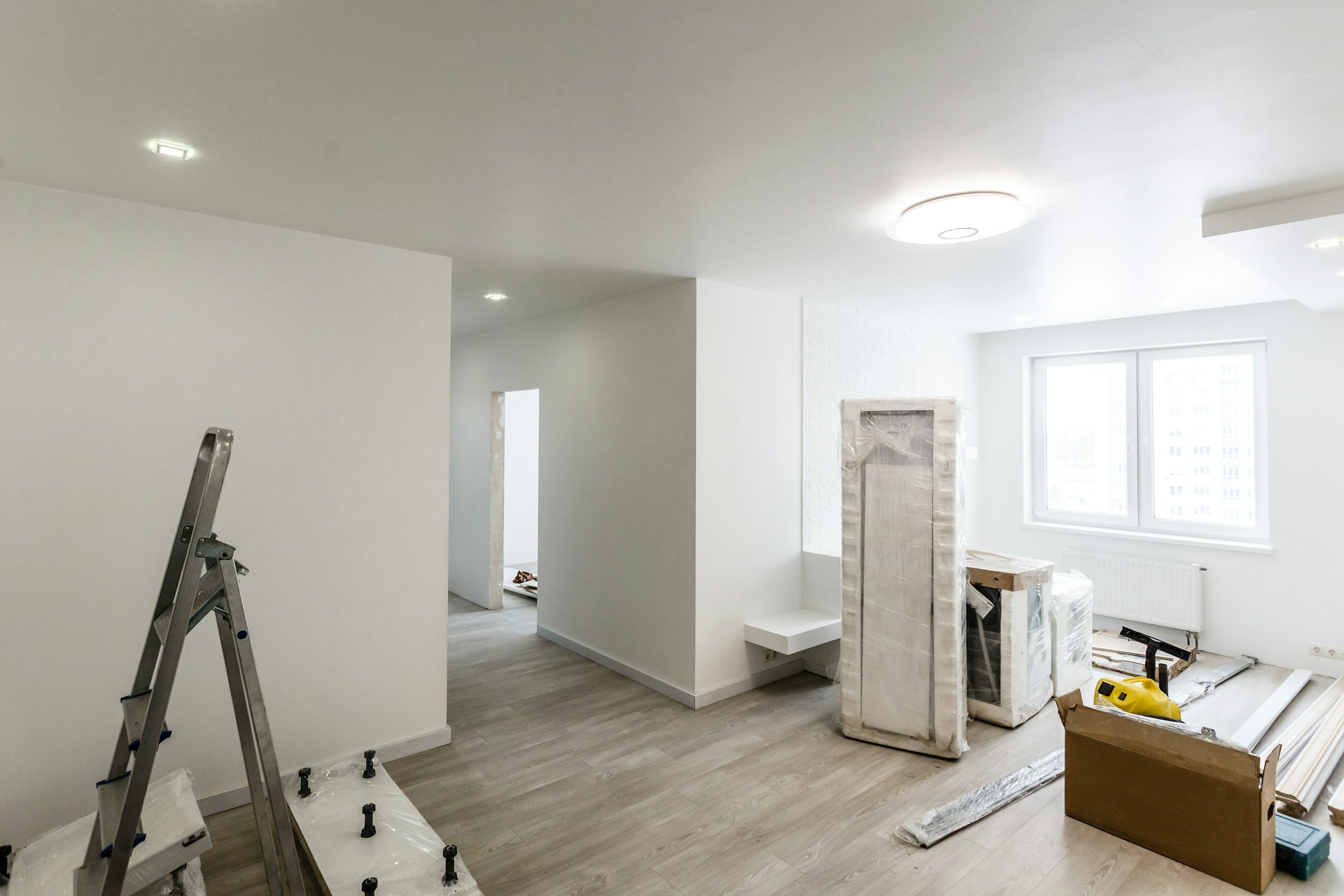
Every construction project starts with a vision, but commercial renovations and residential builds require very different planning, execution, and expertise. A home remodel often focuses on comfort and personal style, while a commercial project must support business operations, employee productivity, customer experience, and long term performance. These added responsibilities make commercial work far more complex than many property owners expect. As a result, commercial renovation contractors play a critical role in delivering projects that meet strict regulations, stay on schedule, and support business growth without sacrificing quality.
Understanding the Purpose Behind Every Project
The goals of residential and commercial construction differ from the very beginning. Homeowners usually renovate to improve comfort, increase property value, or update the appearance of their living space. Every decision reflects personal preferences and daily family life.
Commercial renovations, however, focus on business performance. Office layouts may improve teamwork, retail spaces encourage customer movement, and healthcare facilities prioritize efficiency and safety. Every design choice supports a practical business objective rather than individual taste alone.
Navigating Complex Codes and Regulations
Commercial buildings must satisfy far more regulations than residential properties. Building codes often address fire protection systems, emergency exits, accessibility standards, structural requirements, ventilation, electrical capacity, and occupancy limits. These rules protect employees, customers, and the public.
Because compliance is essential, contractors work closely with architects, engineers, inspectors, and local officials throughout the project. Careful coordination prevents costly delays while ensuring every stage of construction meets legal requirements before moving forward.
Coordinating Multiple Trades Efficiently
Residential projects often involve fewer specialty contractors working within a smaller space. Commercial renovations, by comparison, require electricians, plumbers, HVAC technicians, steel fabricators, technology installers, flooring specialists, and project managers to coordinate their work precisely.
Effective scheduling becomes essential. Each trade depends on the completion of previous tasks, so communication must remain clear throughout the entire project. Strong coordination reduces downtime, improves productivity, and helps projects stay on schedule from beginning to end.
Balancing Construction With Daily Operations
Many businesses cannot simply close their doors during renovations. Offices continue serving clients, retailers welcome shoppers, and healthcare facilities often remain fully operational while improvements take place. Consequently, contractors must develop construction plans that minimize disruption.
This challenge highlights the importance of occupied commercial remodeling. Phased construction, temporary work areas, after hours scheduling, and detailed safety planning allow businesses to continue operating while renovation work progresses. This careful balance protects both customer satisfaction and business revenue.
Choosing Materials Built for Commercial Use
Materials used in commercial environments must withstand much heavier use than those found in residential homes. Flooring, doors, wall finishes, lighting, and fixtures experience constant traffic from employees, customers, and visitors every day.
For this reason, contractors recommend commercial grade products that deliver greater durability and lower maintenance. Although these materials may require a higher initial investment, they often reduce long term repair costs while maintaining a professional appearance for many years.
Managing Budgets With Long Term Value
Every successful renovation requires financial planning, but commercial projects involve additional business considerations. Owners must evaluate construction costs alongside employee productivity, operational efficiency, energy savings, and future maintenance expenses.
Instead of focusing only on the lowest bid, experienced contractors help clients identify improvements that provide lasting value. Energy efficient lighting, flexible workspaces, durable finishes, and modern building systems often produce significant returns throughout the life of the property.
Delivering Projects on Tight Timelines
Time carries greater financial importance in commercial construction. Delays may interrupt business operations, postpone tenant occupancy, or reduce customer access. Every missed deadline can directly affect revenue and productivity.
Professional planning helps minimize these risks. Contractors create detailed schedules, monitor progress daily, and address unexpected challenges before they become major setbacks. Strong project management keeps work moving efficiently while maintaining quality at every stage.
Investing in the Right Construction Expertise
Choosing the right contractor often determines the success of the entire project. Commercial renovations require experience that extends beyond residential construction because every decision affects business operations, legal compliance, safety, and future performance. Contractors with commercial expertise understand how to manage these responsibilities while delivering reliable results.
Working with professionals who specialize in business facility upgrades provides confidence throughout every phase of construction. From planning and permitting to final inspections, experienced commercial renovation contractors help businesses create spaces that improve efficiency, support growth, and deliver lasting value. Understanding how commercial remodels differ from residential builds allows property owners to make informed decisions that protect both their investment and their long term business goals.