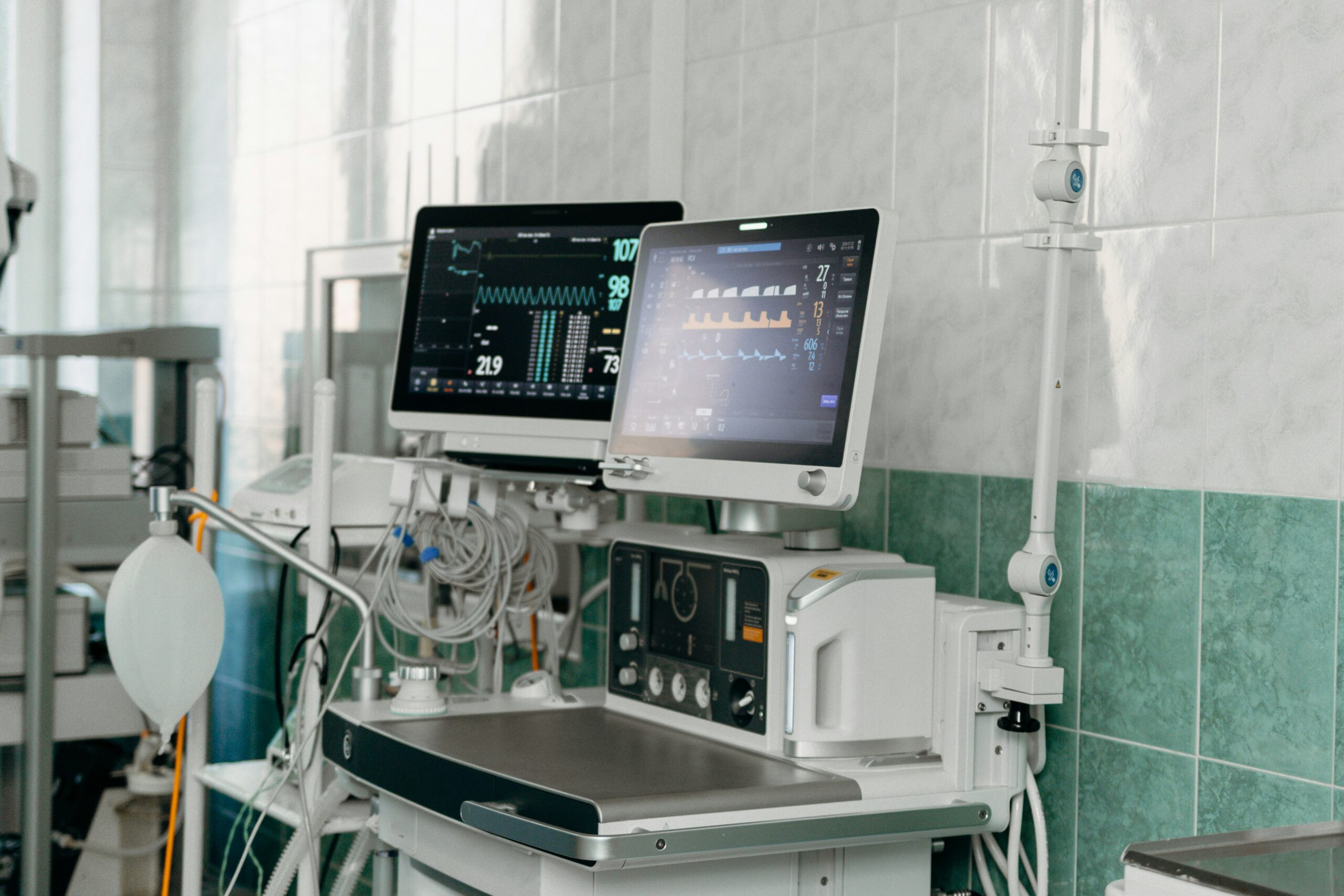
Hospitals and clinics are evolving faster than ever before. Technology is reshaping how patients receive care and how healthcare professionals practice. These advancements are helping medical teams work more efficiently while improving patient safety and outcomes. The shift toward smarter, more connected systems is underway worldwide and is changing the face of healthcare in real time.
Doctors, nurses, and administrators now rely on tools that help them make quicker decisions, reduce errors, and manage resources better. From patient monitoring to digital records, technology is simplifying what used to be complex and time-consuming tasks. It also plays a major role in helping people access care from wherever they are, especially in remote or underserved areas.
Electronic Health Records Are Improving Access to Information
Hospitals once relied on paper files to track patient histories. Today, electronic health records make it easier to manage and share vital information. When doctors and nurses can access a patient’s full medical background in just a few clicks, they save time and avoid dangerous mistakes. These records enable better coordination among departments and specialists.
This system also helps patients. They no longer need to repeat their medical history at every visit or carry around paperwork. Their information is safe, organized, and available when needed. It gives them more control over their healthcare and helps their providers deliver personalized care with greater accuracy.
Telemedicine Is Expanding Access to Care
Many people cannot always get to a hospital or clinic when they need medical attention. Telemedicine bridges that gap by connecting patients and doctors through video calls and secure apps. Patients can speak with their provider, receive advice, and even get prescriptions without having to travel. This is especially helpful for people in rural areas or those with mobility issues.
Healthcare technologies also benefit from this shift. They can consult with specialists or monitor chronic conditions without scheduling in-person appointments. Telemedicine reduces clinic crowding and frees up time for cases that require hands-on attention. It creates a more flexible and responsive healthcare system for everyone involved.
Artificial Intelligence Is Supporting Smarter Decisions
Artificial intelligence is making a strong impact in hospitals and clinics. It helps doctors analyze data quickly and spot issues that may not be visible to the human eye. For example, AI can scan medical images to detect early signs of cancer or other diseases. This improves diagnosis speed and increases the chances of successful treatment.
It also supports decision-making by identifying patterns in patient records. Providers can use these insights to create better treatment plans. With AI, hospitals can reduce human error and provide a higher level of care. It serves as a second set of eyes that works around the clock without fatigue.
Remote Monitoring Keeps Patients Safer at Home
Technology is making it easier to keep track of patients even when they are not in the hospital. Devices such as smartwatches, glucose monitors, and heart rate trackers send real-time updates to healthcare teams. These tools allow providers to follow a patient’s health between visits and step in quickly if something changes.
Patients feel more secure knowing they are being monitored remotely. They can stay at home, avoid hospital stays, and still receive quality care. For people with long-term health conditions, remote monitoring means fewer visits, better results, and peace of mind. It brings care into patients’ everyday lives in a meaningful way.
Robotic Surgery Enhances Precision and Recovery
Surgeons are using robotic systems to perform complex procedures with better control and precision. These tools allow them to operate through smaller incisions, which means patients experience less pain and faster recovery. Robotic arms can move in ways that human hands cannot, making difficult surgeries more accurate.
Hospitals see fewer complications and shorter hospital stays when robotic surgery is used. The technology reduces the chances of infection and supports faster healing. It also gives surgeons better visibility during procedures. As this approach becomes more common, more patients benefit from safer, less invasive surgeries.
3D Printing Is Personalizing Medical Tools
Hospitals are turning to 3D printing to create custom devices for their patients. This technology allows them to design implants, prosthetics, and even surgical models that match a person’s unique anatomy. The result is a better fit and improved comfort for the patient.
Doctors can also use 3D-printed models to plan surgeries before entering the operating room. This level of preparation helps reduce the risk of errors during the procedure. It supports training and learning by offering a hands-on view of specific cases. The more tailored the tools, the more effective the treatment can be.
Cloud Computing Is Improving Team Collaboration
Doctors, nurses, and specialists often work across different departments or even other locations. Cloud computing helps them access and share information instantly, no matter where they are. This means faster communication, better teamwork, and fewer delays in care.
The cloud also keeps data secure and organized. Hospitals can back up records, store large files like medical images, and update patient information in real time. It helps teams make decisions quickly because everyone is working with the same data. Cloud systems are helping to make healthcare more connected and more agile.
Mobile Apps Are Empowering Patients
Patients today are more involved in their health than ever before. Mobile apps help them track symptoms, set medication reminders, and follow care plans. These tools are easy to use and provide daily support, especially for people managing chronic conditions.
Hospitals and clinics use apps to stay in touch with patients between visits. Providers can send updates, appointment reminders, and even video consultations through mobile platforms. This two-way connection improves care and keeps patients engaged. When people are more involved, they tend to achieve better outcomes.
Smart Facility Systems Increase Efficiency
Technology is not just improving clinical care; it is also making hospitals run more smoothly. Smart facility systems control lighting, temperature, and equipment based on usage. They help conserve energy, cut costs, and create a more comfortable environment for staff and patients.
These systems can also track supplies, manage schedules, and send alerts when maintenance is needed. That means fewer delays and better resource use. Hospitals that adopt smart infrastructure find it easier to adapt to changing needs. They become more responsive and better able to deliver consistent care.