Healthcare is changing rapidly as new technologies become part of daily medical practice. Hospitals and clinics are no longer relying only on traditional methods. They are using digital tools to improve patient care and staff work management. This shift is helping reduce delays, improve accuracy, and make care more patient-friendly.
The goal of modern healthcare is simple. It is to give better care in less time with fewer errors. Innovative Technology supports this goal by making information easier to access and communication faster. It also helps medical teams focus more on patients rather than paperwork and repetitive manual tasks.
Smarter Patient Registration and Flow
Patient registration is one of the first steps in any medical visit. In many facilities, this step is now faster and smoother because of digital systems. Patients can enter their details online before they arrive. This reduces waiting time at the front desk and helps staff prepare in advance.
Better registration systems also help hospitals manage patient flow. When information is organized from the start, staff can guide patients to the right departments more quickly. This reduces crowding in waiting areas and helps medical teams work more efficiently.
Digital Records That Improve Coordination
Medical facilities are moving away from paper files and toward digital records. These records allow doctors and nurses to see a patient’s history in seconds. They can check past treatments, test results, and medications without having to search through paper documents.
This easy access improves teamwork between healthcare providers. When everyone sees the same updated information, there is less confusion. It also reduces unnecessary tests and helps doctors make faster, more accurate decisions in patient care.
Better Diagnosis with Simple AI Support
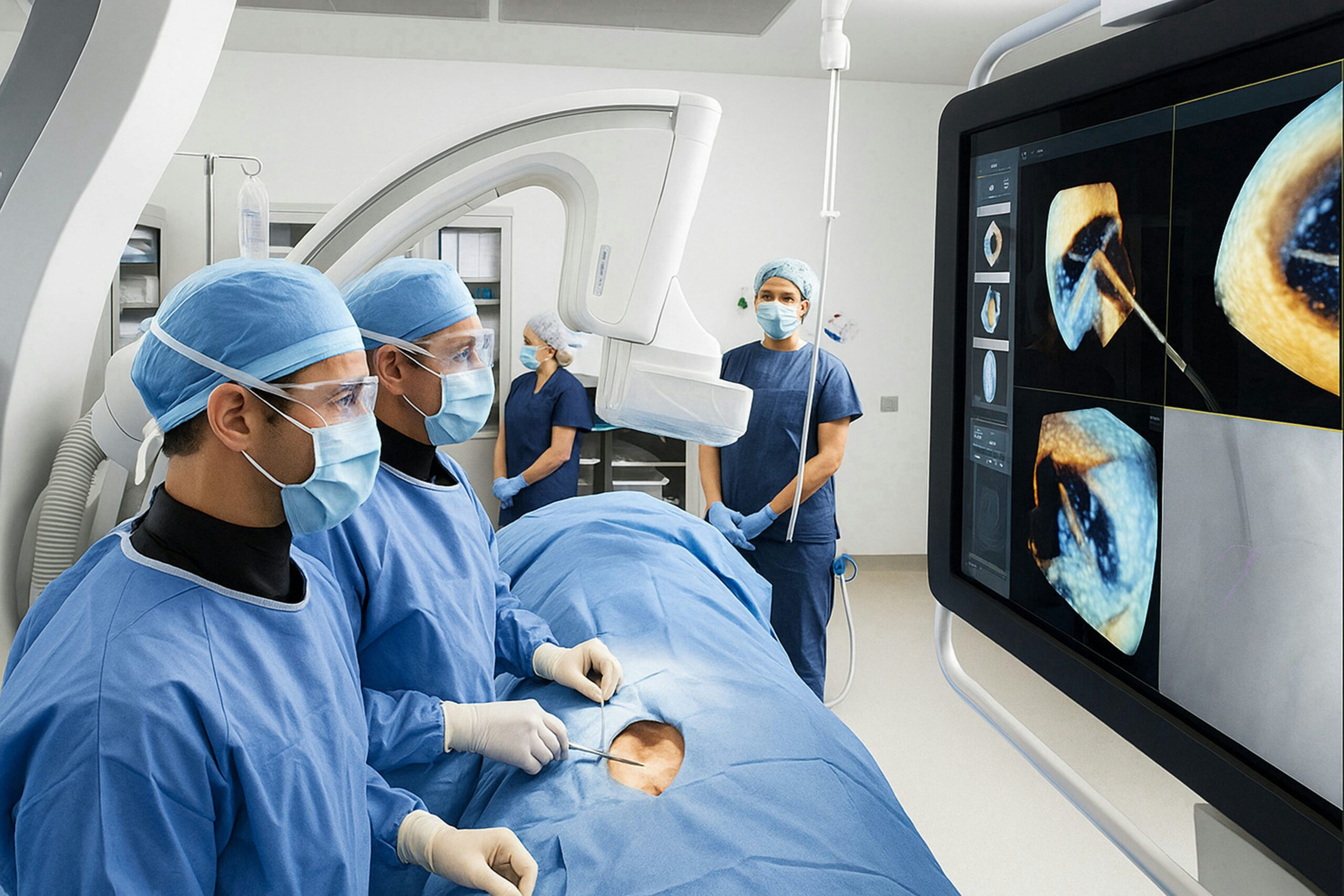
Modern healthcare tools can help doctors better understand patient conditions. These systems can study medical images and highlight areas that may need attention. This helps doctors identify health issues earlier.
This kind of support does not replace medical staff. Instead, it helps them work with more confidence and speed. When doctors have better insights, they can choose treatment plans that better match the patient’s condition and reduce risks.
Remote Care That Brings Hospitals Home
Many patients today can speak with doctors without visiting a hospital. Video calls and online check-ins make this possible. This is especially helpful for people who live far from medical centers or have difficulty traveling.
Remote care also helps patients with long-term health conditions. They can stay in touch with healthcare providers regularly without frequent hospital visits. This makes care more consistent and helps prevent health problems from getting worse.
Safer Care Through Smart Monitoring Tools
Healthcare facilities are using simple digital tools to track patient health in real time. These tools can measure things like heart rate and oxygen levels. The data is shared with medical staff so they can respond quickly when needed.
This type of monitoring improves patient safety, especially for those in critical care. It allows doctors and nurses to act early if something changes. It also gives patients peace of mind, knowing their condition is being closely monitored.
A More Efficient Healthcare Future
Technology is making healthcare more organized and responsive. It helps medical staff save time, reduce mistakes, and focus more on patient needs. At the same time, it gives patients easier access to care and better communication with doctors.
As these tools continue to improve, healthcare will become even more efficient and patient-focused. The integration of technology is not just a trend. It is becoming a key part of how medical care is delivered every day.