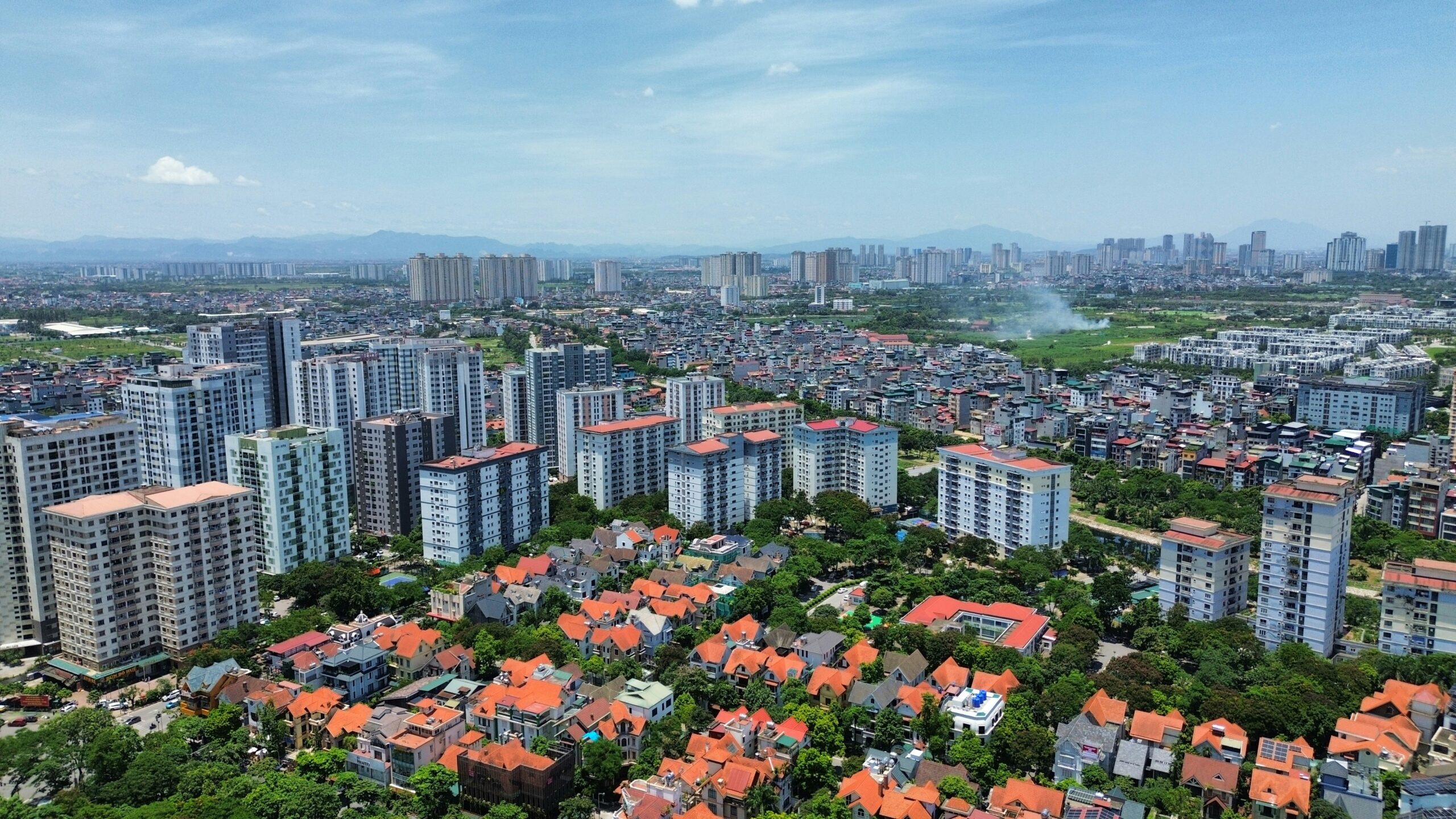
Global real estate continues to evolve as investors search for stronger returns, diversified portfolios, and long-term stability, and these shifts are shaping new pathways for growth as economic cycles, migration patterns, and digital transformation influence the world’s property markets.
Emerging Markets Gaining Investor Attention
Investors are showing greater interest in emerging regions because rapid population growth and expanding middle-class demand are fueling steady property needs. Markets in Southeast Asia, Eastern Europe, and parts of Africa are becoming more attractive, especially as infrastructure projects improve transportation, energy access, and digital connectivity. These improvements make transactions easier and increase investor confidence across borders.
Capital is moving faster into these rising markets, as investors seek alternatives to traditional hubs where prices have climbed sharply. Demand for residential and mixed-use developments continues to increase, creating more room for long-term value appreciation. In addition, governments in these regions are offering incentives that make entry easier for foreign buyers who seek diverse global real estate options.
Technology Reshaping Property Investment
Digital tools are changing how investors study market behavior because real-time data now guides major decisions. Platforms using artificial intelligence and predictive analytics provide faster insights into rental performance, risk exposure, and future value potential. As these tools improve, investors can evaluate global real estate opportunities with more precision.
Blockchain adoption is also expanding, leading to smoother, more transparent transactions. Tokenization enables partial ownership of properties, broadening access for investors seeking exposure without purchasing an entire asset. As transactions become more secure and efficient, investor interest continues to grow because technology reduces barriers and strengthens trust in international markets.
Sustainability Driving Modern Investment Choices
Environmental awareness plays a major role in today’s investment strategies, as more consumers and businesses seek sustainable living and working environments. Developers are adopting greener construction methods and focusing on energy-efficient systems to lower long-term costs. As a result, global real estate projects that emphasize sustainability often attract stronger demand and maintain higher occupancy rates.
Regulations that promote responsible development also shape investor behavior. Many governments support eco-friendly initiatives, which encourage builders to meet modern efficiency standards. Because these projects often hold their value well and appeal to future buyers, sustainability remains a central factor in emerging global real estate opportunities.
Shifts in Commercial Property Demand
The commercial sector continues to adjust as companies refine their work models. Hybrid work has reduced the need for large traditional offices, and now businesses want flexible layouts that support collaboration. Therefore, properties with adaptive designs and modern amenities see stronger leasing activity than outdated office towers.
Meanwhile, demand for industrial and logistics properties remains strong due to global e-commerce growth. Businesses need more storage, shipping hubs, and distribution centers to move products quickly. Markets with strong transportation networks continue to attract investors seeking stable returns amid rising consumer activity in global real estate markets.
Residential Markets Responding to Demographic Change
Population movement shapes the residential sector as people relocate for better opportunities and quality of life. Cities that offer strong job markets and more affordable housing continue to see consistent growth. Because younger buyers seek flexible living arrangements, developers are focusing on smaller units, community-oriented layouts, and smart-home features that align with modern preferences.
Migration to secondary cities also reveals new opportunities. These areas provide lower living costs and open more space for development. As remote work remains popular, demand spreads beyond major economic centers, allowing investors to identify promising real estate pockets. Since these emerging zones often show faster appreciation, they attract buyers seeking long-term global real estate growth.
Luxury Property Expansion Across Borders
High-net-worth buyers continue to drive growth in the luxury segment because they prefer assets that offer privacy, security, and exclusivity. Markets with stable political conditions and lifestyle advantages tend to attract these investors. Many prefer waterfront areas, private estates, and branded residences linked to major hospitality groups.
International buyers often explore new destinations for second homes, which boosts tourism development. Regions with warm climates and premium amenities hold steady demand even during economic uncertainty. As currency shifts create favorable conditions, foreign investors expand portfolios and fuel broader global real estate activity.
Opportunities in Mixed-Use Developments
Mixed-use projects that blend residential, retail, and office spaces offer greater convenience for residents and appeal to investors seeking properties with multiple income streams. Developers design these spaces to support modern lifestyles, and communities built around walkability often maintain higher occupancy rates.
These developments also generate long-term economic benefits for local regions. When new stores, entertainment venues, and community spaces emerge, they stimulate growth around the project. As a result, mixed-use planning continues to expand, offering global real estate investors strong potential for consistent returns.
Risk Management in a Shifting Economic Landscape
Global markets shift quickly, and investors need strategies that reduce exposure during uncertain periods. Diversification across regions and asset types helps protect portfolios from sudden economic changes. Understanding local regulations, currency conditions, and political climates is essential because each factor can influence performance.
Risk assessments now rely heavily on data, as investors seek greater clarity before entering new markets. By comparing economic forecasts and property cycles across regions, investors can make informed decisions that support long-term success. Careful planning ensures that global real estate investments remain steady even as global conditions evolve.
Long-Term Outlook for Global Real Estate Investors
The long-term outlook for global real estate remains strong, as population growth, innovation, and urban expansion continue to drive demand. As more countries embrace digital transformation, cross-border transactions become easier, which opens more pathways for international investment.
Investors who pay attention to consumer behavior, economic movement, and emerging technologies will be better positioned to identify new opportunities. Since real estate remains a stable asset class across market cycles, the global landscape continues to offer diverse ways to build and preserve wealth.